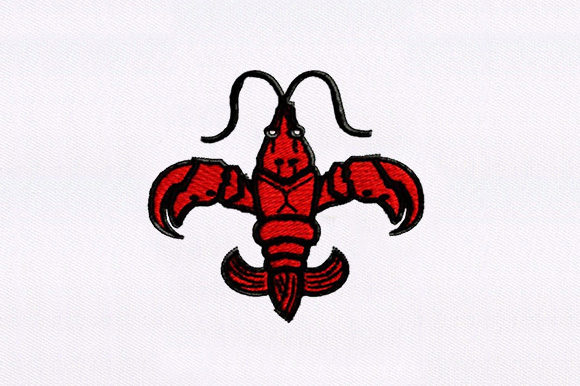
Red Crayfish Embroidery Design
First Impressions of Red Crayfish
The Red Crayfish design immediately catches the eye with its bold, playful shape and vibrant color potential. The layout feels natural, as if it belongs on a beach-themed project or a casual, fun piece of custom apparel. The level of detail is impressive for a machine embroidery design, with clear lines and defined features that suggest it could work well in both simple and intricate applications.
The visual personality of Red Crayfish leans toward whimsy and charm, making it ideal for items like tote bags, sweatshirts, or baby clothes. It has a friendly, approachable vibe that could translate well into a variety of handmade products, from personalized gifts to boutique merchandise.
Real-Life Use Cases for Red Crayfish
Imagine preparing a custom embroidered tote bag for a client who wants something unique and eye-catching. Red Crayfish would stand out as a focal point, adding a touch of personality to the design. Its size and structure make it suitable for a medium-sized hoop, which is great for most home embroidery machines.
For a small business owner or Etsy seller, this design could be a valuable addition to a beach-themed collection. It works well as an embroidered patch, a sweatshirt embroidery, or even a decorative accent on a pillow cover. The versatility of the design allows it to be used across multiple product types without feeling forced or out of place.
When considering a baby item, such as a onesie or a blanket, Red Crayfish offers a gentle, recognizable shape that could appeal to parents looking for something fun yet not too overwhelming. Its simplicity makes it easy to integrate into a larger design or use as a standalone element.
Performance in Different Embroidery Situations
In custom apparel projects, Red Crayfish performs well on most fabrics, provided the right stabilizer is used. On thin or stretchy materials, it's important to test the design first to ensure the stitches hold up and don't pucker or distort the fabric.
On dark fabrics, the design may require a contrasting thread color to maintain visibility. For example, using a white or light-colored thread on a black background can create a striking effect. However, if the design is meant to be subtle, a darker thread might be more appropriate.
For items like caps or hats, where the embroidery is on a curved surface, the design may need some adjustment to fit properly. This is especially true for smaller hoop sizes, where the full design might not fit without resizing or repositioning.
Where to Be Cautious with Red Crayfish
On textured or thick fabrics, the stitch density of Red Crayfish could cause the design to feel stiff or less comfortable. In such cases, adjusting the stitch density or using a lighter fill stitch might help improve the overall look and feel.
For products that will see frequent washing, it's important to ensure the design is securely stitched and that the stabilizer is appropriate for the fabric type. A strong, durable stabilizer can prevent the design from fading or peeling over time.
If you're planning to use Red Crayfish in a commercial embroidery project, always check the licensing terms before selling finished items or digital products. Some designs may have restrictions on resale or modification, so it's best to confirm these details beforehand.
Impact on Visual Appeal and Customer Perception
Red Crayfish adds a sense of fun and creativity to any project it's used in. Its clear lines and defined shape make it easy to recognize, which is essential for brand consistency and customer engagement. When used effectively, it can elevate the value of a handmade product or a small shop item, making it more appealing to buyers.
For an Etsy seller or craft business, a design like Red Crayfish can be a strong draw for customers looking for unique, personalized gifts. It also helps build trust, as the clarity and quality of the stitching reflect professionalism and attention to detail.
When used in a printable mockup or digital product preview, Red Crayfish can showcase the design's potential in different contexts. This is especially useful for digital product sellers who want to demonstrate how the design looks on various items before purchase.
Practical Designer Notes for Red Crayfish
Before committing to a large batch of embroidered items, always test the design on scrap fabric. This helps identify any issues with stitch density, thread color contrast, or stabilizer use. It also gives a better idea of how the design will look on the final product.
Review the stitch density to ensure it’s appropriate for the fabric and intended use. If the design is too dense, it may cause stiffness or discomfort, especially on clothing items. Conversely, if it's too light, the design may not hold up well over time.
Confirm the hoop size required for the design. If your machine has limitations, consider resizing the design or using a different format that fits your equipment. Always check the embroidery file formats available, such as DST, PES, or JEF, to ensure compatibility with your machine.
Inspect the small details of the design, especially if it includes elements like tiny lettering or intricate corners. These can sometimes be lost in the embroidery process, so it's important to verify their visibility and clarity before finalizing the project.
Test the design in black and white mockups to see how it looks without color. This can help determine if the design is versatile enough to work on different fabric backgrounds. Comparing it on light and dark fabrics can also reveal how well it adapts to various settings.