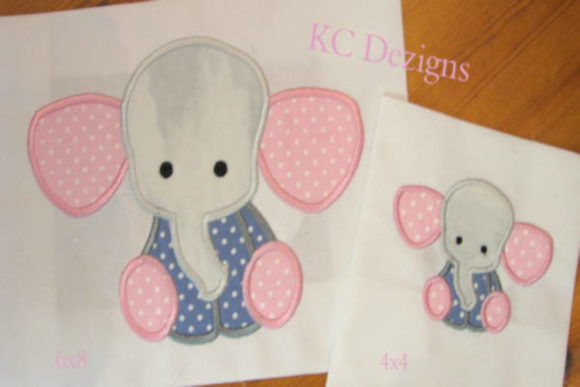
Baby Elephant Sitting Embroidery Design
As an embroidery designer and product reviewer, I’ve evaluated countless machine embroidery designs. Baby Elephant Sitting stands out as a charming and versatile applique design that could fit well in a range of handmade and commercial projects. But before jumping into using it, there are several practical considerations to keep in mind.
First Impressions: A Cute and Cozy Design
The first thing that catches your eye with Baby Elephant Sitting is its soft, friendly expression. The design has a gentle, approachable mood that makes it ideal for baby items, personalized gifts, or even cozy home decor. The layout is clean, with a clear focus on the elephant’s face and body, making it easy to recognize even at smaller sizes.
The level of detail is moderate—enough to give the design character without being overly complex. It uses a combination of satin stitch and fill stitch to create smooth shapes and texture, which works well for an applique design. The visual personality is warm and inviting, fitting perfectly within the Baby Animals category.
Real-World Use Cases for Baby Elephant Sitting
When thinking about where Baby Elephant Sitting would shine, baby blankets come to mind immediately. It’s a natural fit for nursery decor, personalized baby clothes, or embroidered patches. The design also has potential for custom apparel, such as tote bags, sweatshirts, and caps, especially for seasonal or holiday-themed projects.
For small business owners and Etsy sellers, this design could be a valuable addition to a collection of baby-related embroidery files. It’s suitable for printable mockups, digital product previews, and as part of a larger set of baby animal designs. Its simplicity makes it adaptable for different fabric types and project scales.
However, it’s important to consider how the design will translate when stitched out. The size and complexity of Baby Elephant Sitting may affect how it looks on certain fabrics or in specific applications. Testing it on scrap fabric before committing to a final project is always a good idea.
Where to Be Cautious With Baby Elephant Sitting
While Baby Elephant Sitting is a great design, there are a few areas where caution is needed. For instance, if you’re planning to use it on small hoop sizes, you may need to adjust the design or split it into sections. This can complicate the stitching process and may not be ideal for quick projects.
Fabrics with texture or stretch can also pose challenges. Thin or stretchy materials might cause the stitches to pucker or distort, especially if the stabilizer isn’t properly applied. Dark fabrics may require a contrasting thread color to ensure visibility, and layered garments could make the design less prominent unless the placement is carefully considered.
Additionally, curved surfaces like caps or hoods can be tricky. The design may not lie flat or may appear distorted if not hooped correctly. Tiny details or intricate corners might get lost if the stitch density is too low, so checking the file’s specifications is essential.
Impact on Visual Appeal and Customer Perception
When it comes to visual appeal, Baby Elephant Sitting has a strong chance of resonating with customers. Its cute and recognizable design is perfect for handmade products that aim to evoke warmth and comfort. It can elevate the value of a finished product, especially when used in high-quality embroidery projects.
For small shop merchandise or boutique branding, this design can help build a cohesive aesthetic. It’s also a good choice for personalized gifts, as the design is simple enough to be modified or paired with text. Customers often look for unique and meaningful elements in their purchases, and Baby Elephant Sitting offers that kind of charm.
From a professional standpoint, using this design in commercial embroidery projects requires attention to detail. Ensuring that the stitches are clean, the colors are consistent, and the overall look is polished is key to maintaining customer trust and brand reputation.
Practical Designer Notes for Using Baby Elephant Sitting
Before using Baby Elephant Sitting in any project, I recommend testing it on scrap fabric. This allows you to see how the design looks in real life and identify any potential issues early on. Checking thread color contrast is also important—especially if you plan to use the design on dark or light backgrounds.
Reviewing the stitch density is another critical step. If the design is too dense, it may cause the fabric to pucker or the stitches to become too stiff. Confirming the correct hoop size for your machine is essential, as using the wrong size can lead to misalignment or incomplete stitching.
Inspecting small details like the elephant’s eyes or ears can help determine if the design is suitable for your intended use. Testing it in black and white mockups can also give you a better sense of how it will look on different fabric colors. Using the right stabilizer is crucial, especially for delicate or stretchy fabrics.
Finally, if you’re planning to sell finished items or digital products featuring Baby Elephant Sitting, make sure to check the licensing terms. Confirming whether the design is suitable for both personal and commercial use will save you from potential legal issues down the line.
Conclusion: A Versatile Design for the Right Projects
Baby Elephant Sitting is a well-crafted embroidery design that can work well in a variety of applications, especially those targeting baby items, personalized gifts, and handmade products. Its charm and simplicity make it a valuable asset for embroidery designers, crafters, and small business owners looking to add a touch of cuteness to their offerings.
With proper preparation and attention to detail, this design can enhance the quality and appeal of your finished products. Whether you're creating a custom tote bag, a baby blanket, or an embroidered patch, Baby Elephant Sitting has the potential to stand out in the right context.